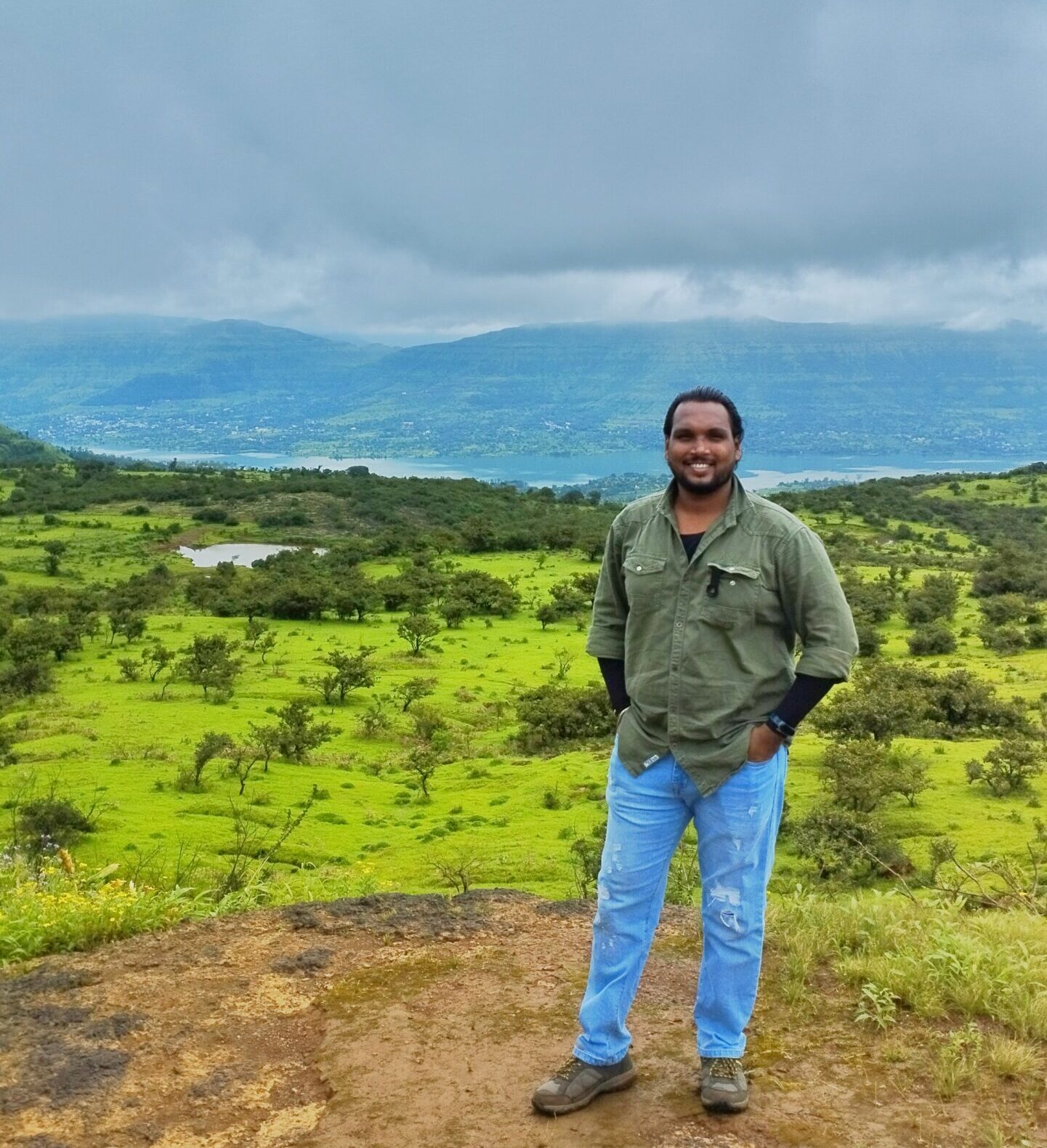
Founder · Horticulurist · Senior Naturalist
Specialty: Birds, Herps & Marine Ecology ·
The Road Not Expected
Most naturalists will tell you they knew from childhood. The bird they spotted at age seven. The gecko they refused to let go of. The tadpole pond behind the school. For Sachin Rane, the path was longer and stranger — and perhaps more interesting for it.
Sachin Rane trained as an Automobile Engineer. He understood torque, transmission, the logic of machines. Then he switched lanes entirely, pursuing a degree in Horticulture, and somewhere in the overlap between the precision of engineering and the complexity of living systems, something clicked. By 2010 he was leading his first official nature trail. He hasn’t stopped since.
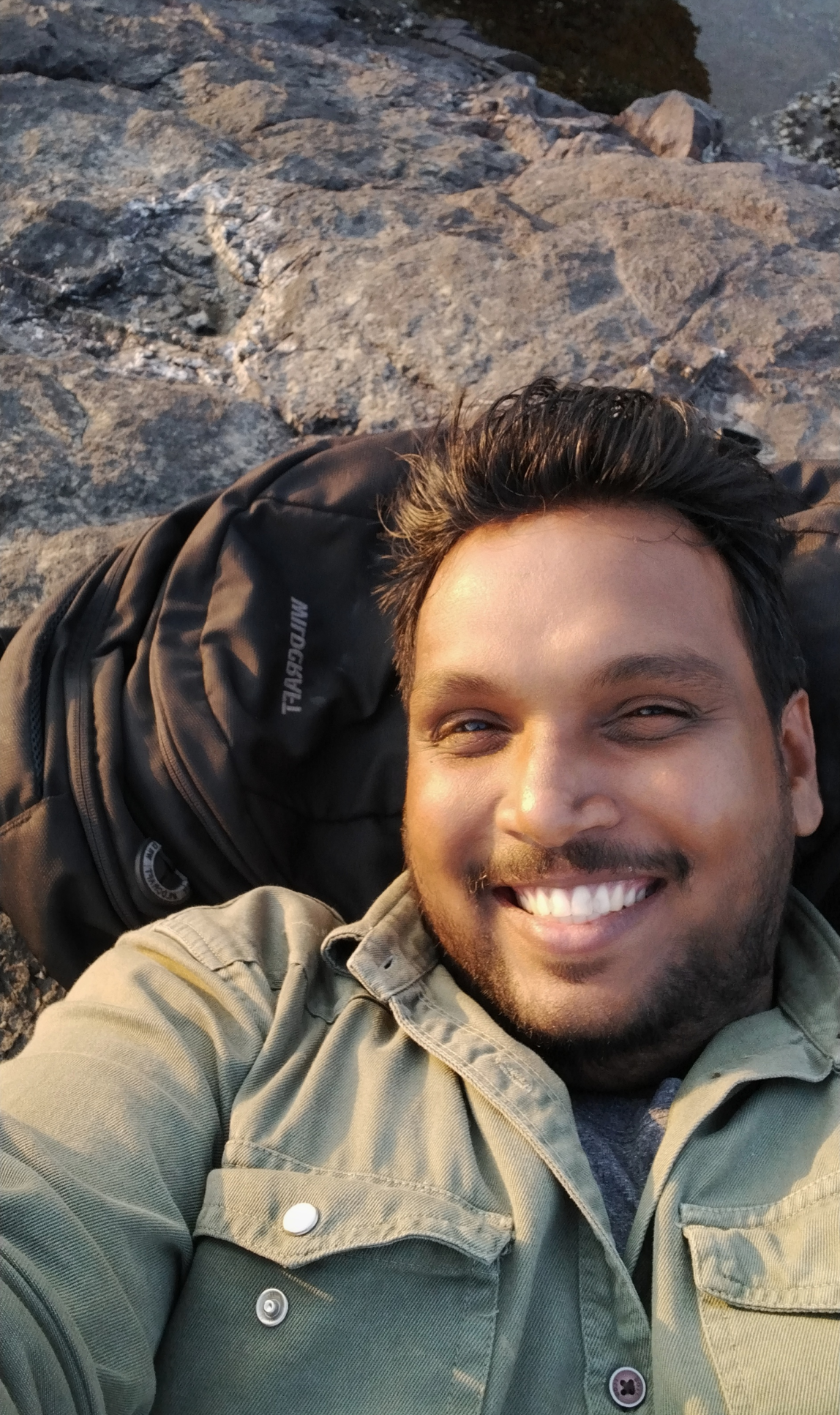
Sixteen years later, Sachin is co-founder of Naturalist Explorers, a field expert who can identify almost anything — flora or fauna — and a naturalist whose sighting abilities have genuinely baffled people who’ve been in the field for decades. He’s not the loudest person on a trail. But he’ll spot the thing no one else does, quietly, every time.
“People are shocked by my sighting abilities. They wonder how I even spot such well-camouflaged animals.”
The Night Matheran Remembered
Ask Sachin Rane for his most memorable field experience and he doesn’t hesitate. It was 2014. He was in Matheran — alone, overnight — and by the time the trip ended he had clocked 70+ snake sightings, encountered several uncommon species, and come face to face with a leopard at close range.
He also came home covered in blood.
The leeches had been particularly thorough. Multiple bites, clothes soaked through. When Sachin walked in the door, his mother took one look at him and panicked. He tried to explain. She was not immediately reassured.
It’s the kind of story that tells you everything you need to know about who Sachin is in the field — someone who goes alone into places most people wouldn’t, who stays long enough for the forest to reveal itself fully, and who comes back with accounts that sound like they’ve been exaggerated but really, genuinely haven’t been.
The leopard encounter, by the way, was close. Very close. He doesn’t dramatise it. He just says it happened, and that it was one of the most intense moments of his field life — right up there with the night itself.
“70+ snake sightings. One very close leopard. Multiple leeches. And a mother who needed some explaining to.”
Cat Eyes and Camouflage
Senior naturalist Sachin Rane describes himself as having strong nocturnal abilities — cat-like eyes, he says, that allow him to make sightings even in low light conditions that send most naturalists reaching for a torch. It’s something participants notice immediately. He sees things before anyone else. He sees things after everyone has given up looking.
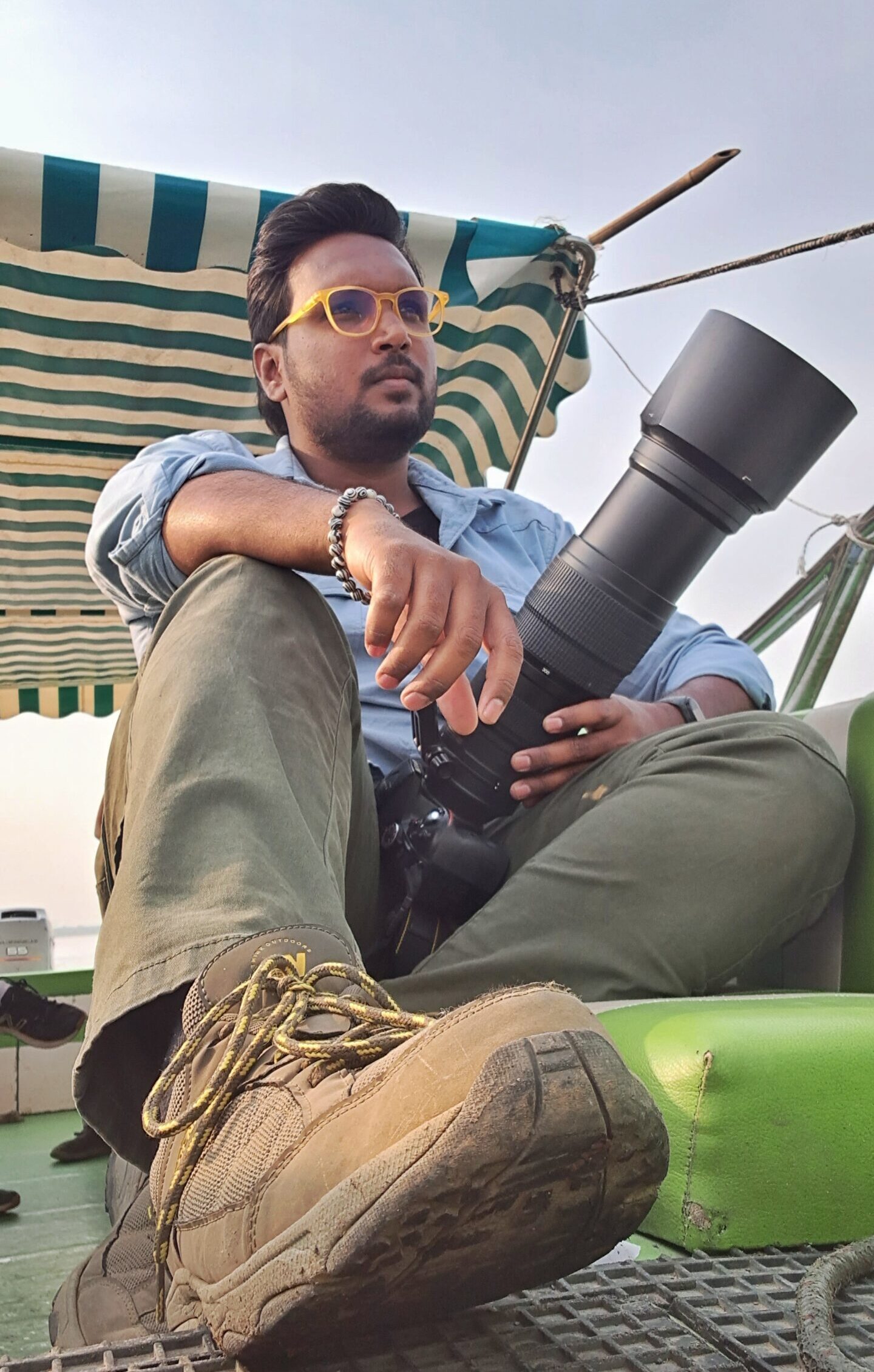
Part of this is years of accumulated pattern recognition — the kind that only comes from putting in the hours, season after season, in different ecosystems and different light. Part of it, he’ll admit, might just be how he’s wired. Either way, it makes him an extraordinary person to be in the field with.
He conducted a one-month biodiversity survey in Chittorgarh, Rajasthan, focused on birds and reptiles — a reminder that his range extends well beyond the Western Ghats he knows so deeply. Forest, coast, scrub, grassland — Sachin is comfortable in all of it.
The Pistol Shrimp Philosophy
Ask Sachin about his spirit animal and he gives you two — the Pistol Shrimp and the Goby Fish. It’s an unlikely pair, and he knows it. That’s partly the point.
These two species have one of the most remarkable symbiotic relationships in the animal kingdom. The Goby, with its sharp eyes, acts as a lookout. The Pistol Shrimp, nearly blind, builds and maintains the burrow they share. They communicate entirely through touch — the Goby rests its tail on the Shrimp, and the Shrimp reads the movements to understand what’s coming. No shared language. No complicated system. Just contact, trust, and paying attention.
For Sachin, this is more than a favourite wildlife fact. It’s a life philosophy. Language is not a barrier to understanding. You don’t need the same words, the same background, or the same expertise as the person next to you. You just need to be present, attuned, and willing to show up for each other.
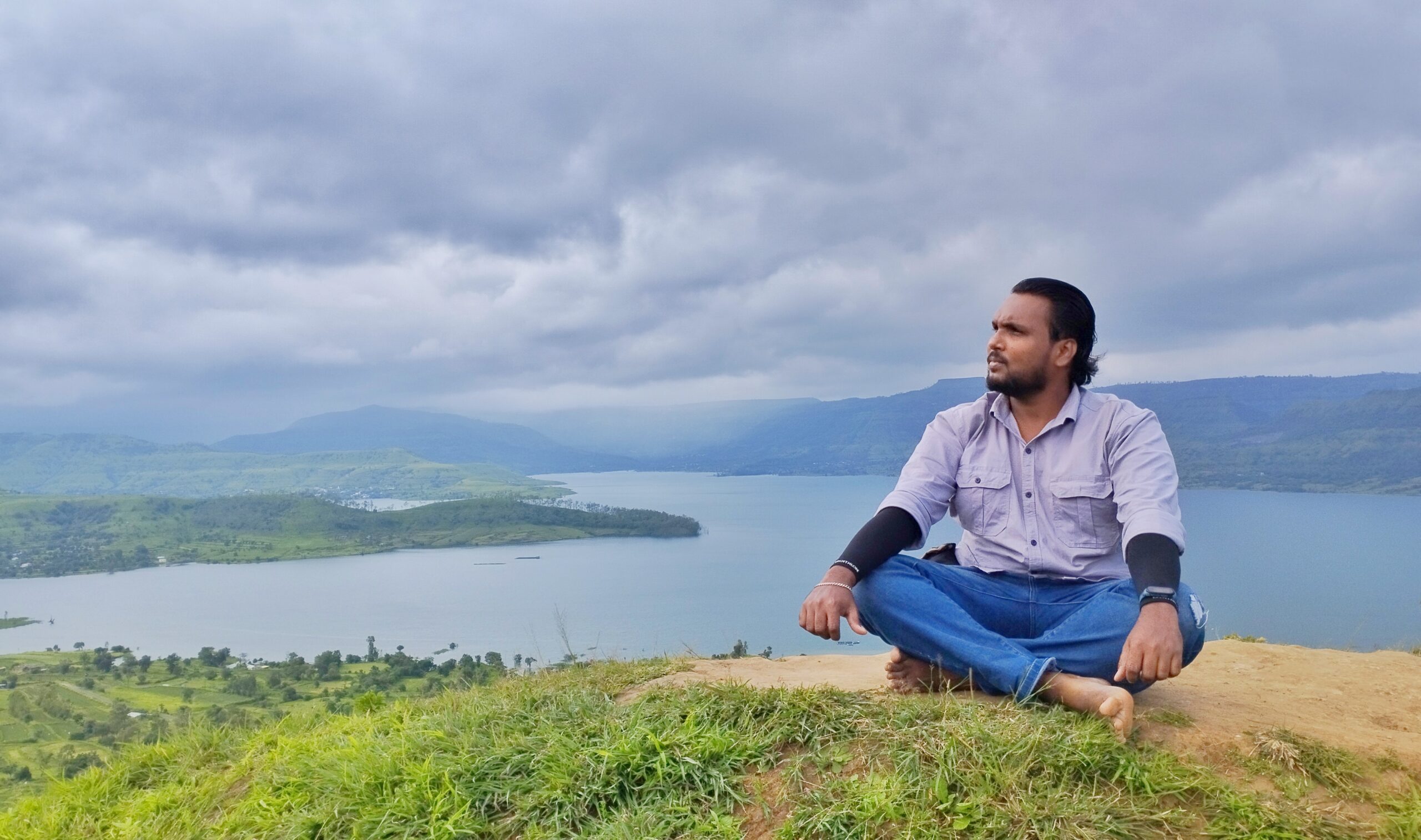
It’s also, quietly, a description of how he thinks about nature education — meeting people where they are, building connection without jargon, and trusting that if you create the right conditions, understanding will follow.
“Like the Pistol Shrimp and Goby Fish, we don’t need the same language to understand each other. Just touch, trust, and teamwork.”
What Sixteen Years Teaches You
For Sachin Rane, the goal, stated plainly, is to educate people about nature and create green citizens. Not wildlife enthusiasts necessarily. Not birders or herpers or botanists. Citizens — people who carry an awareness of the living world into every decision they make.
After 16 years and 3,000+ hours across forests, coasts, grasslands, and city green spaces, he has earned the right to say this simply, without performance. He’s seen what happens when someone — child or adult, expert or complete beginner — has a genuine encounter with something wild. The shift is real. It doesn’t always happen immediately. But it happens.
He works with all ages, in Marathi, Hindi, English, and Malvani. He is passionate, he says, about working in any field that connects people with nature. That openness — that genuine ‘any field’ — is perhaps the most Sachin thing about him. The engineer who became a horticulturalist who became a naturalist who became a co-founder. The shape of his journey is the point.
The wild, it turns out, rewards people who take the long way round.