Marine life at Juhu Koliwada offers a fascinating glimpse into Mumbai’s rich and resilient coastal ecosystems.
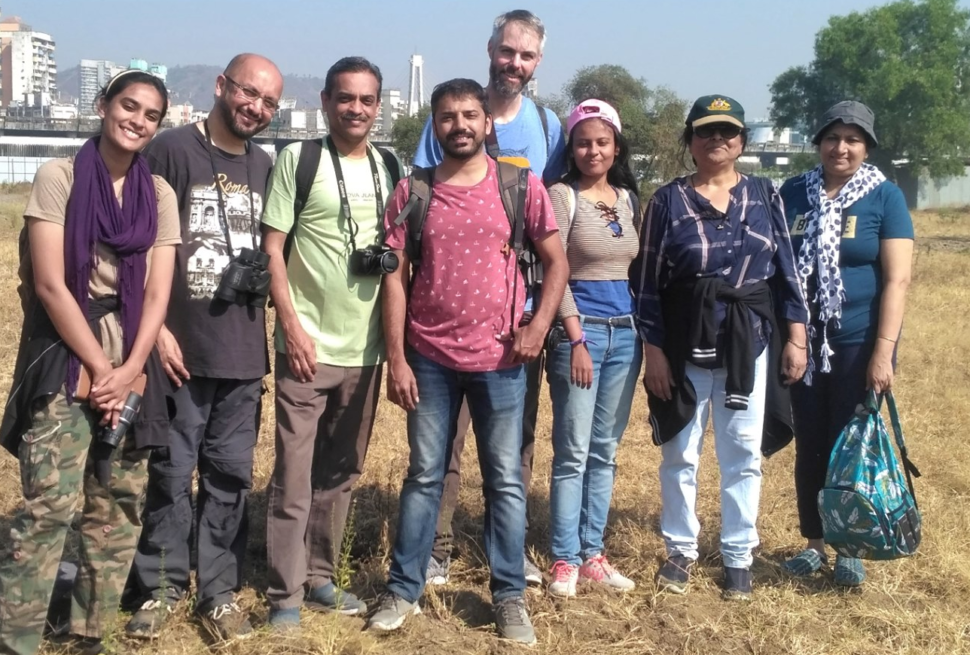
On 15th November 2020, a small group of enthusiastic nature lovers gathered along the Juhu shoreline for an engaging and educational intertidal marine walk. As the year neared its close, this event provided a refreshing outdoor opportunity for participants to re-engage with local urban wildlife after months of limited activity.
Led by naturalist Anurag Karekar (founder of Naturalist Explorers), the primary goal of the walk was to discover, document, and appreciate the hidden marine life at Juhu Koliwada living right beside Mumbai’s bustling city streets.
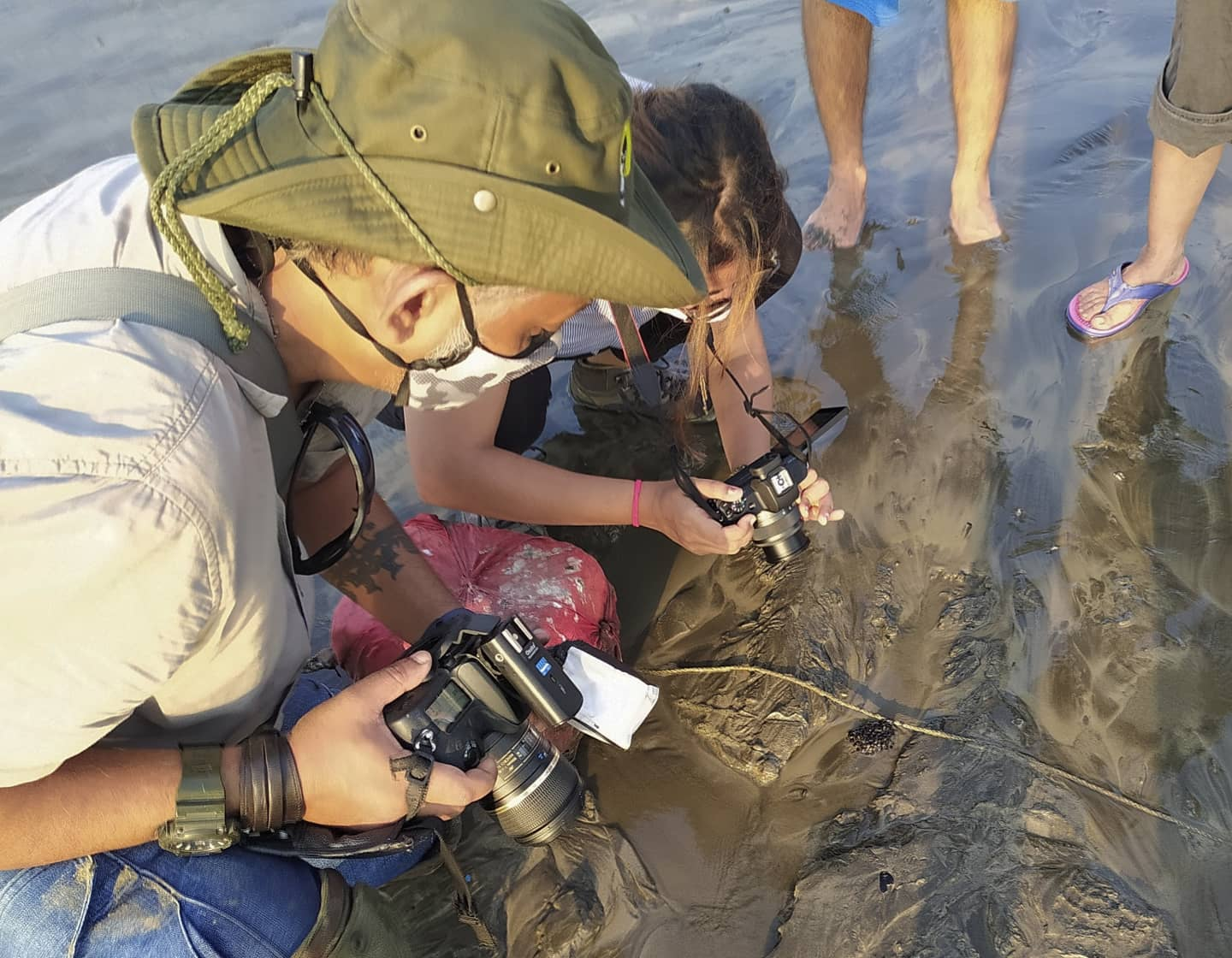
A day prior to the walk, trail leader Anurag Karekar visited the intertidal zone to assess the shoreline conditions. Given the dynamic changes in coastal environments and constant human impact, there was initial uncertainty about how much marine life at Juhu Koliwada would be spotted. Nevertheless, the excitement and anticipation among the participants remained exceptionally high as they prepared to explore the shore.
Marine Life at Juhu Koliwada: Discoveries Along the Intertidal Zone
Contrary to lower expectations, the intertidal shore at Juhu Koliwada was brimming with activity. As the tide receded, revealing the rocky and sandy substrate beneath, participants were welcomed by a diverse array of marine organisms thriving right at their feet.
The intertidal zone—the unique area exposed to air at low tide and submerged at high tide—hosts an array of resilient organisms specially adapted to extreme shifts in temperature, wave action, and salinity. Observing the coastal ecosystem up close offered participants a deeper understanding of urban marine habitats and highlighted how vibrant the marine life at Juhu Koliwada truly is.
Key Marine Life Highlights from the Trail:
- Mollusks and Crustaceans: A wide variety of marine snails, hermit crabs sheltering inside conch shells, and various species of intertidal crabs.
- Distinct Crab Species: The group observed bold rock crabs scurrying over boulders alongside delicate, shy porcelain crabs hiding in small crevices.
- Dynamic Marine Organisms: Vibrant sea anemones anchored to rocky surfaces and active bivalves spurting water as the tide ebbed away.
- Egg Sacs and Life Cycles: Rare sightings of translucent squid egg sacs and cuttlefish eggs attached securely to submerged rocks, showcasing local breeding grounds.
- Fast-Moving Predators: Sally lightfoot crabs moving with swift agility across slippery, wet surfaces.
- Feature Sighting: The absolute highlight of the day was spotting an elusive moray eel navigating gracefully through a shallow tidal pool.
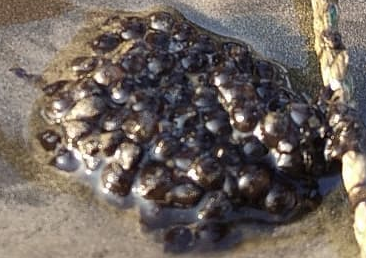
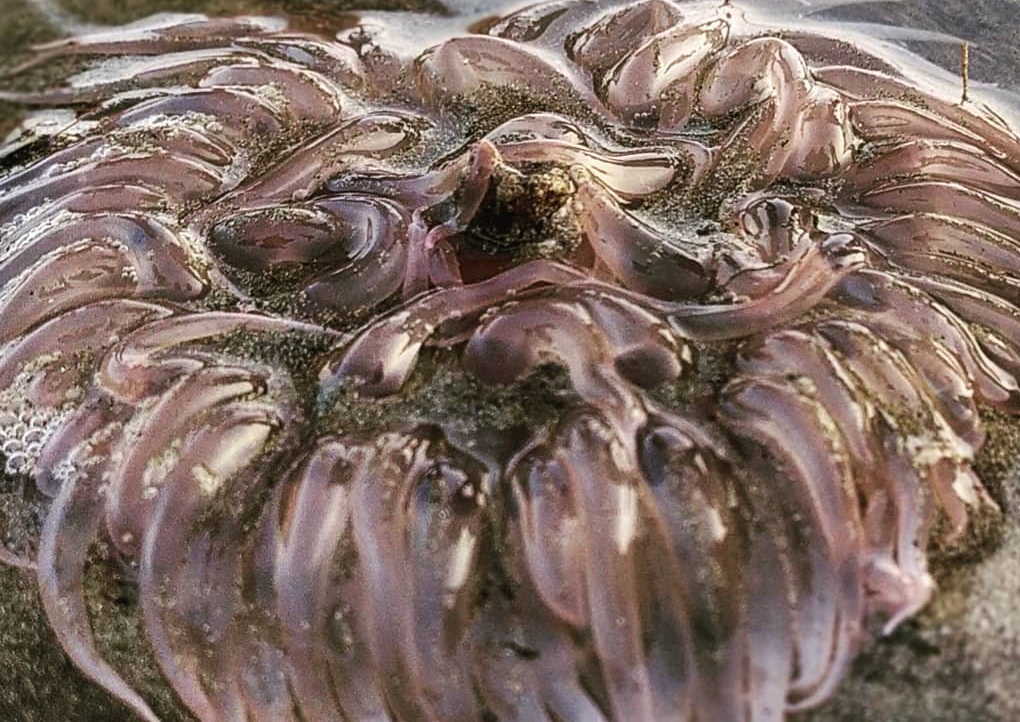

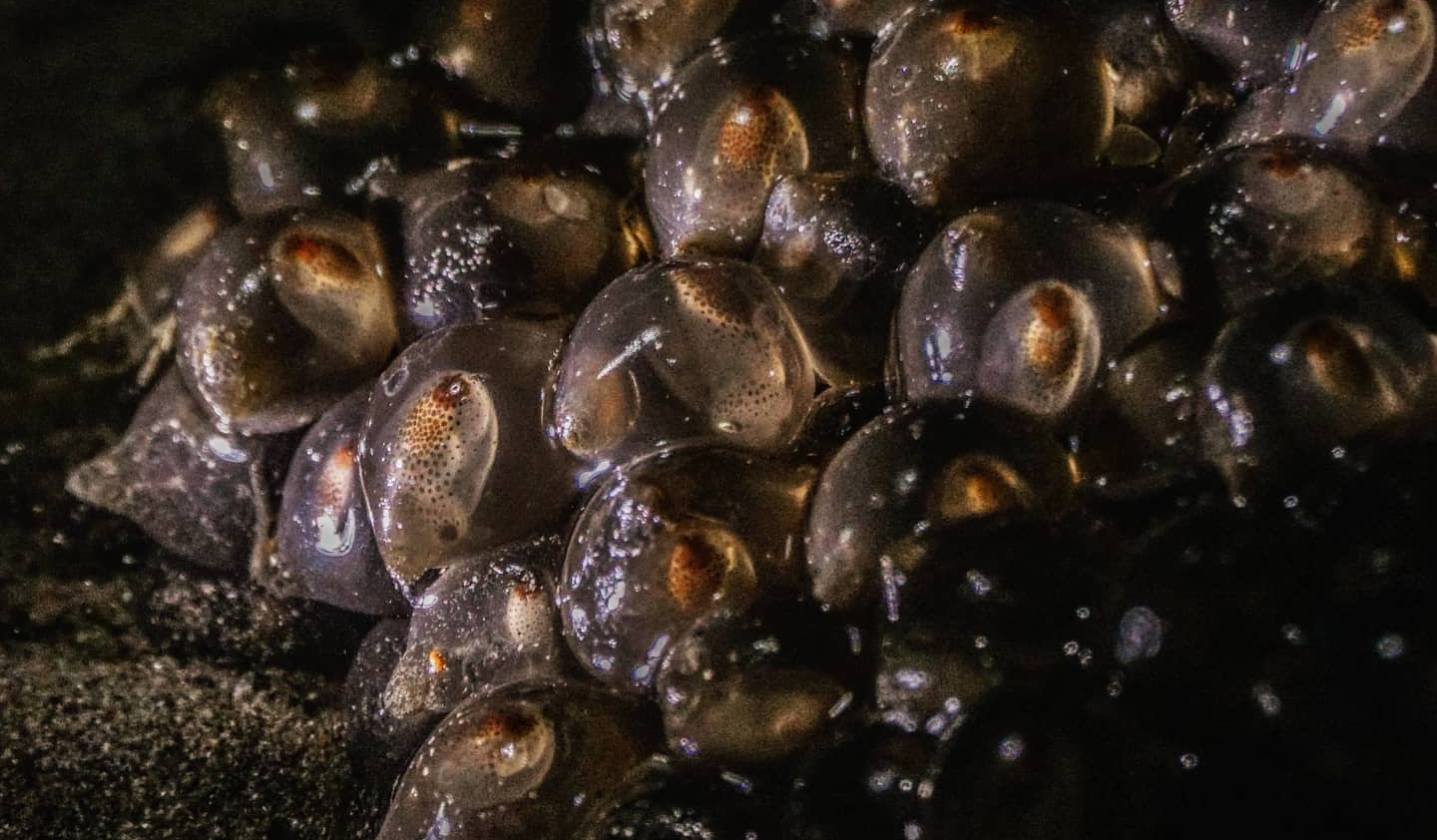
Each unique creature discovered provided a clear window into how complex and thriving the marine life at Juhu Koliwada can be when given space to exist.
Conservation Insights: Protecting Coastal Ecosystems
As the afternoon light softened and the sun began to set, the group gathered near the jetty to reflect on their sightings and discuss coastal conservation. During this interactive session, Anurag Karekar shared valuable insights regarding the critical environmental challenges currently facing local marine habitats:
- Pollution and Urban Waste: Plastic debris, sewage run-off, and industrial waste pose continuous, destructive threats to fragile intertidal marine species.
- Unsustainable Coastal Development: Coastal construction, land reclamation, and heavy artificial structures alter natural current patterns, destroying key benthic habitats.
- Coral Translocation & Restoration: The discussion touched upon the complexities, ecological limitations, and careful considerations involved in attempting to relocate fragile coral colonies along urban shores.
The Importance of Coastal Awareness in Mumbai
The marine walk concluded with a panoramic sunset over the Arabian Sea and a deep sense of appreciation for Mumbai’s often-overlooked shoreline biodiversity.
This exploration served as a powerful reminder that even within a bustling metropolis of millions, rich and delicate marine ecosystems persist. Protecting the marine life at Juhu Koliwada requires continuous public engagement, responsible eco-tourism, and sustainable urban planning. Events like these not only connect citizens directly to nature, but also foster environmental stewardship for generations to come.