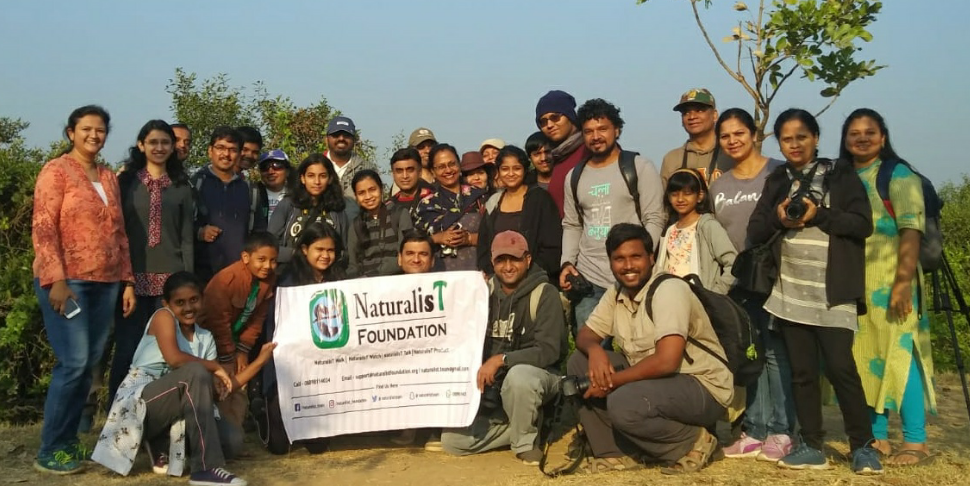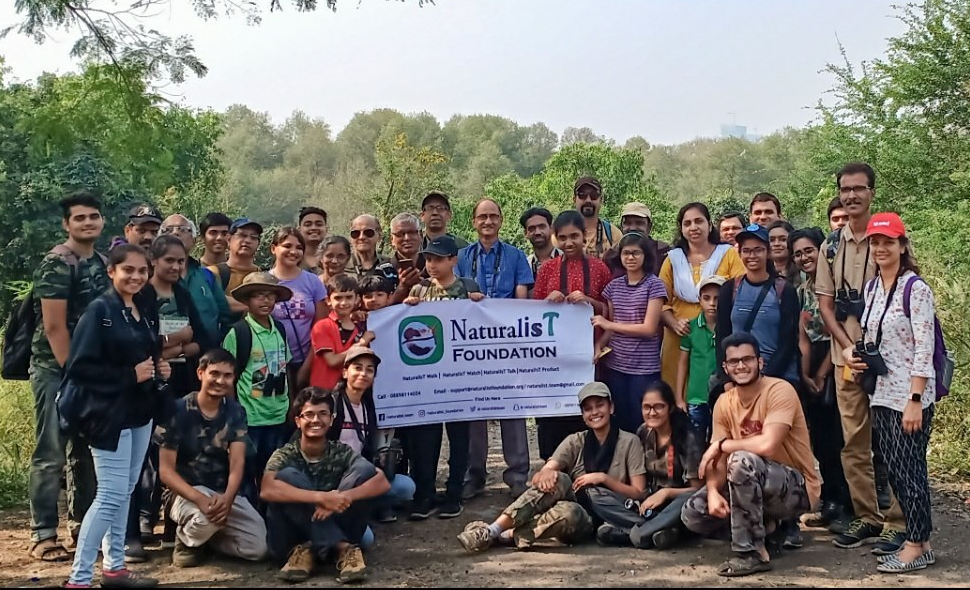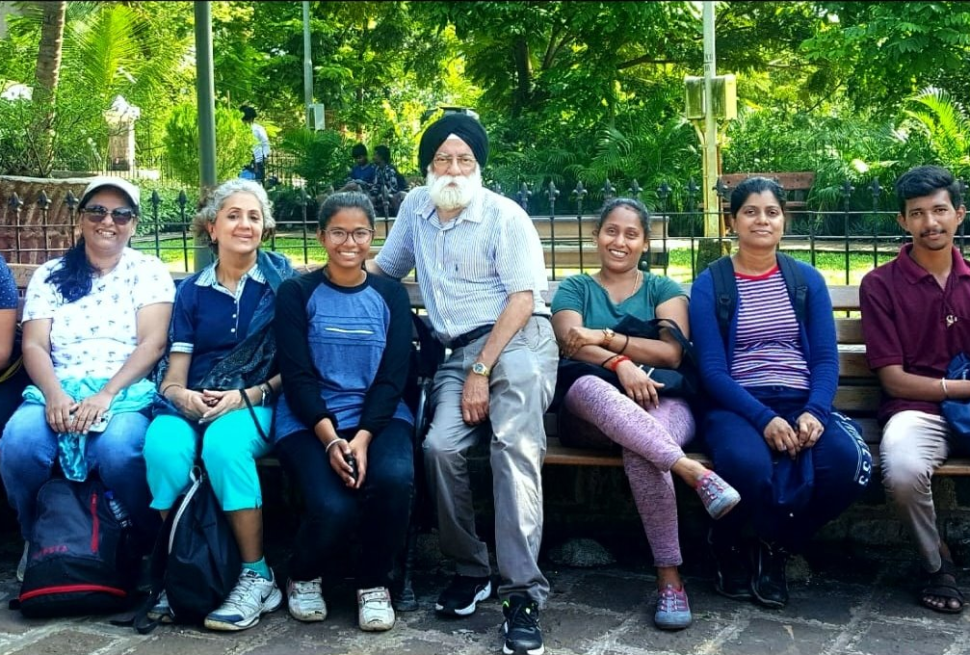
There’s something truly magical about stepping into the forest after sunset. The familiar becomes mysterious, sounds grow sharper, and every rustle seems to hold a secret waiting to be discovered. This June, Bat Watching at Jambulmarg in Gujarat offered exactly that kind of experience to a group of enthusiastic explorers who signed up to explore the wild after dark. Immersing ourselves in this unique ecosystem allowed us to witness the vibrant nocturnal biodiversity firsthand. It was an adventure that completely redefined our understanding of the wilderness.
Guided carefully through the dark, participants learned how to tune into their surroundings, relying not just on sight, but also on sound and instinct. As the trail unfolded, the forest slowly revealed its nocturnal residents.
From insects and amphibians to creatures that prefer the cover of darkness, every step brought a new discovery. But the highlight of the night awaited them deeper inside—within the caves that house one of nature’s most fascinating mammals.
Entering the Caves of Jambulmarg
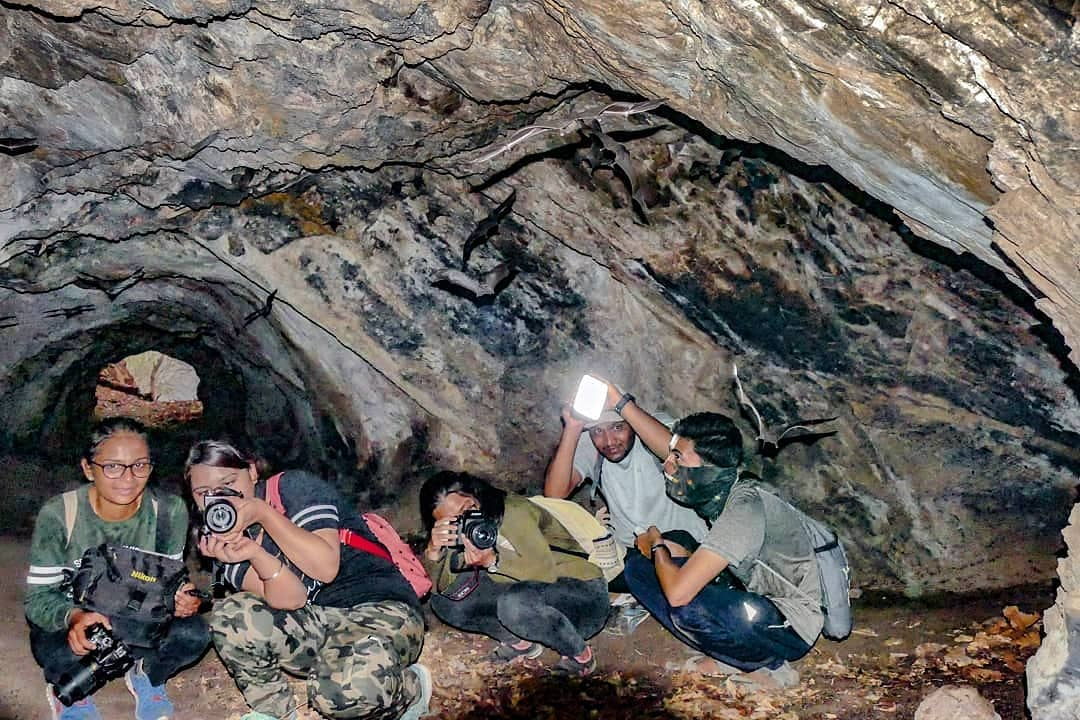
Entering the caves was an experience in itself—a mix of thrill, curiosity, and a little nervous excitement as the group made their way in. With careful guidance and a strong emphasis on respecting wildlife, the explorers ensured they minimized disturbance to the bats and their fragile habitat. Still, as we entered their space, some bats fluttered from one end of the cave to another, creating a surreal moment that many participants won’t forget anytime soon.
For some, it was the first time seeing bats up close not as something to fear, but as an essential part of the ecosystem. Watching them move, hang, and interact sparked genuine curiosity. The initial hesitation quickly turned into fascination, and even laughter, as a few bats swooped close enough to make everyone duck instinctively!
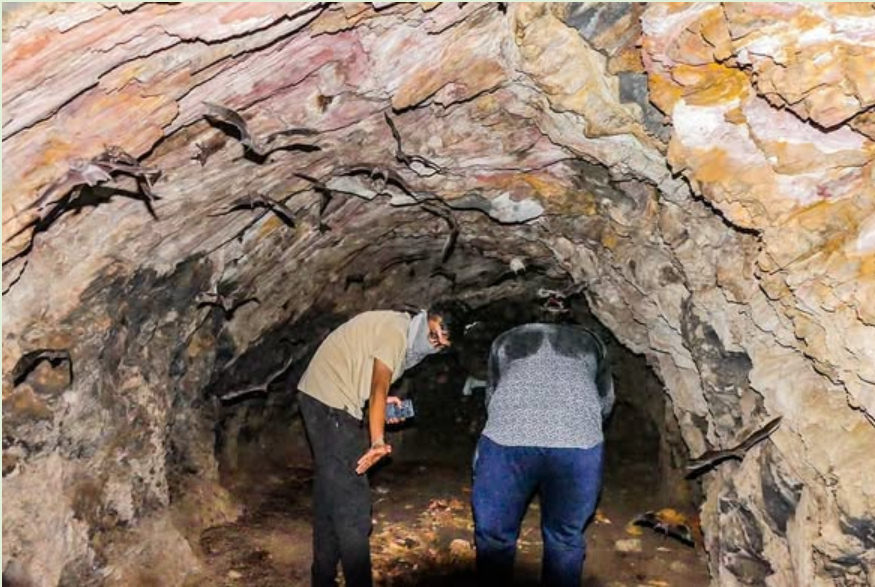
Beyond the excitement, the experience was deeply educational. Participants learned about different species of bats, their habits, habitats, and the crucial roles they play, especially in pollination and insect control. There were also engaging discussions about ongoing research and conservation efforts, helping everyone understand how important these often-misunderstood creatures truly are to the biodiversity of Gujarat.
Essential Guide to Bat Watching at Jambulmarg Gujarat
If you are planning your own night trek to experience Bat Watching at Jambulmarg, a little preparation ensures a safe, rewarding, and ethical wildlife encounter:
- Best Time to Visit: The monsoon and early winter months (June to November) are ideal. The forests of Gujarat are lush, and nocturnal cave activity is at its peak.
- Ethical Wildlife Viewing: Always follow your naturalist’s guidance inside the caves. Avoid pointing bright white flashlights or camera flashes directly at the roosting bats, as sudden light causes them immense stress. Low-intensity red filters are highly recommended.
- What to Wear: Sturdy, closed-toe trekking shoes are mandatory for navigating the slippery, uneven cave floors. Wear full-length pants and long-sleeved shirts to protect yourself from insects and sharp rock edges during the trail.
A New Perspective on Nocturnal Wild
The following day brought more adventure, with a trek and a series of outdoor activities that kept the energy high. But what stayed with the group wasn’t just the thrill—it was a permanent shift in perspective. Bats, once viewed as spooky or intimidating, were now understood, respected, and even admired.
Sometimes, all it takes is one unforgettable night in nature to completely change the way we see the world, and this immersive experience of Bat Watching at Jambulmarg was definitely one of those rare nights. It proved that when we step out of our comfort zones, the natural world will always find a profound, beautiful way to surprise, educate, and inspire us to become better guardians of the wild.